
New Year, New Pressure? Why Resolutions Are Killing Your Mental Health (and What to Do Instead)
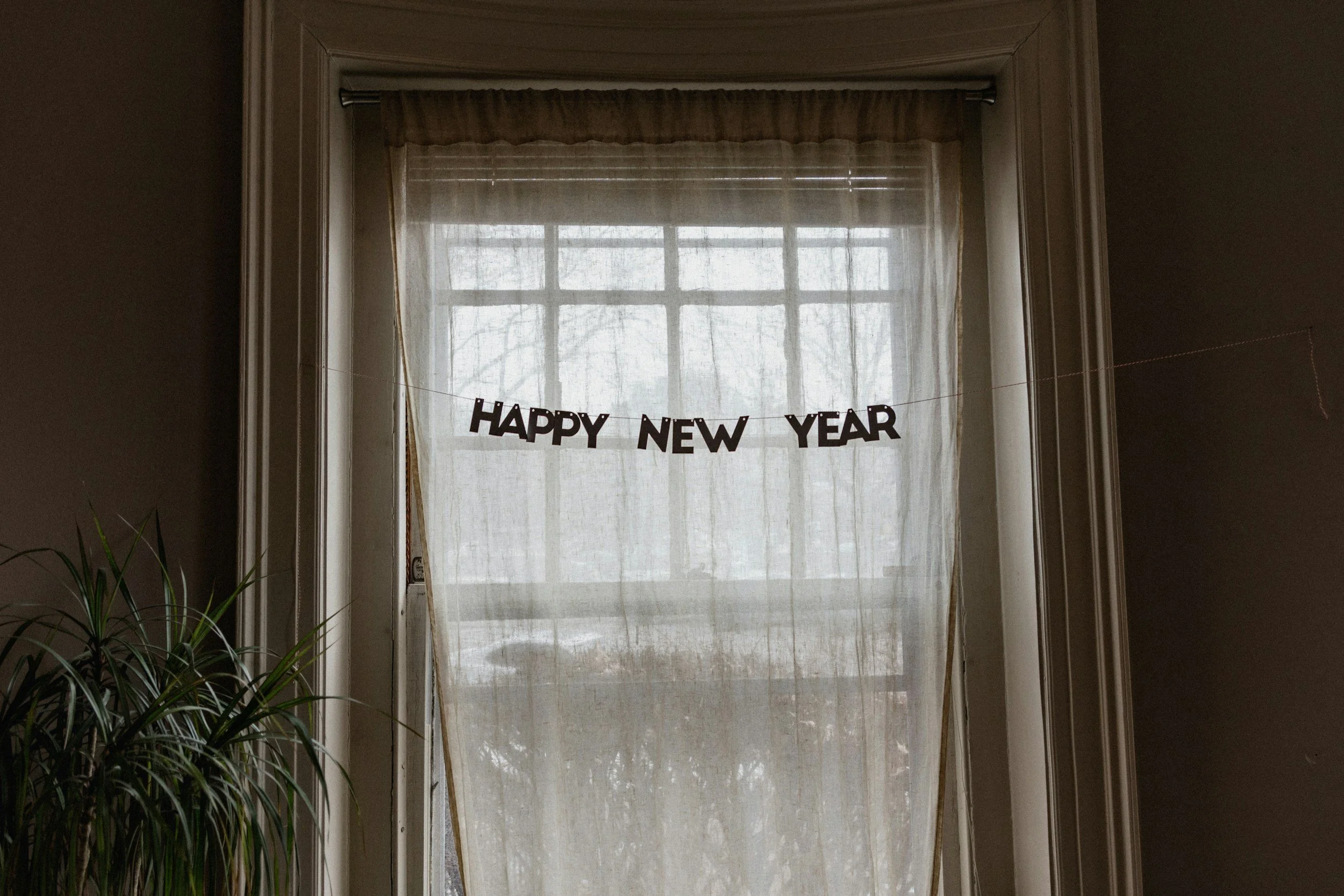
When the Clock Strikes Midnight, and Your Brain Pops the Champagne of Anxiety
Ah — January 1st. That magical moment when we’re told to shed the old version of ourselves like last year’s glitter and step boldly into a fresh, sparkling reset. You know the drill: new planner, new goals, new Body + Mind transformation. Cue the fireworks. Cue the Instagram feed full of “this year I will…” promises. Cue your nervous system quietly collapsing under the weight of expectation.
Because here’s the thing: resolutions are having a mental-health crisis of their own. According to the American Psychiatric Association, a record 33% of Americans planned to make mental-health-focused resolutions in 2025 — the highest rate since they began polling. Younger adults (ages 18-34) drive that trend hardest, with nearly half saying “yes, I’m doing this.” Psychiatry.org+1
Sounds positive, right? Until you consider how our brains actually function. We’re living in a cultural climate where “resetting” is a performance. Reset doesn’t mean pause — it means sprint. Science tells us that emerging adults (18-25) already report skyrocketing levels of anxiety and depression: one report found young adults twice as likely as teens to report anxiety, and nearly a third reporting depression. Harvard Graduate School of Education+1
So when your feed fills with affirmation-quotes about “new year, new me,” your brain picks up the other beat: “You’re behind. Because last year you didn’t change enough. And this year you must.” That creates a feedback loop of exhaustion. Add in the post-holiday slump (gratitude hangovers, budget bruises, social fuzziness) and you’ve got a cocktail of nervous-system overload disguised as “motivation.”
Here’s what no one told you: the real resolution worth making isn’t some ambitious list of accomplishments. It’s the anti-resolution — the decision to protect your mental health while the world tries to optimize it. Because when everybody else is sprinting toward “better version,” you might be sprinting away from your actual self.
What does that look like? It looks like setting one less goal instead of one more. It means letting your brain recover before pushing it. It means giving yourself permission to fail softly, rest deeply, and rebuild gently. None of which makes for sexy IG content, but all of which protect your nervous system.
Experts tracking last year's youth mental-health trends at the Jed Foundation found that while 95% of youth ages 10-24 say they feel cared for and 76% report belonging, a large gap remains between intention and structure. The Jed Foundation Many young adults respond to the “let’s do better” mentality with more self-critique, not more self-care.
And here’s the kicker: change does not require a reset button. You don’t need to morph into a whole new self by midnight. You need to reclaim your timeline — your brain’s timeline. The brain doesn’t operate at “January 1” speed. It operates at “routine,” “support,” “pause,” “consistent micro-minutes of rest.” You want to step into 2026 like you’re inheriting you instead of losing you to someone else’s resolution list.
So when you pour the sparkling cider (or the sparkling water) and count down the seconds, remember: the real celebration isn’t fireworks, it’s permission. Permission to say no. Permission to choose quiet. Permission to let your brain lead instead of chasing the version someone else sold you. Because the most sustainable resolutions aren’t about doing more. They’re about being more whole.
And yes — if your brain is whispering “not again” before the confetti settles, that’s okay. That’s valid. Your nervous system isn’t broken; it’s telling you something. So listen. Pause. Adjust. Start the year with your mental health intact rather than trying to outrun your own breakdown. Because you’ve got one brain, one body, and one life. Resolutions will come and go. Your well-being doesn’t have to.
Double-click to edit...
